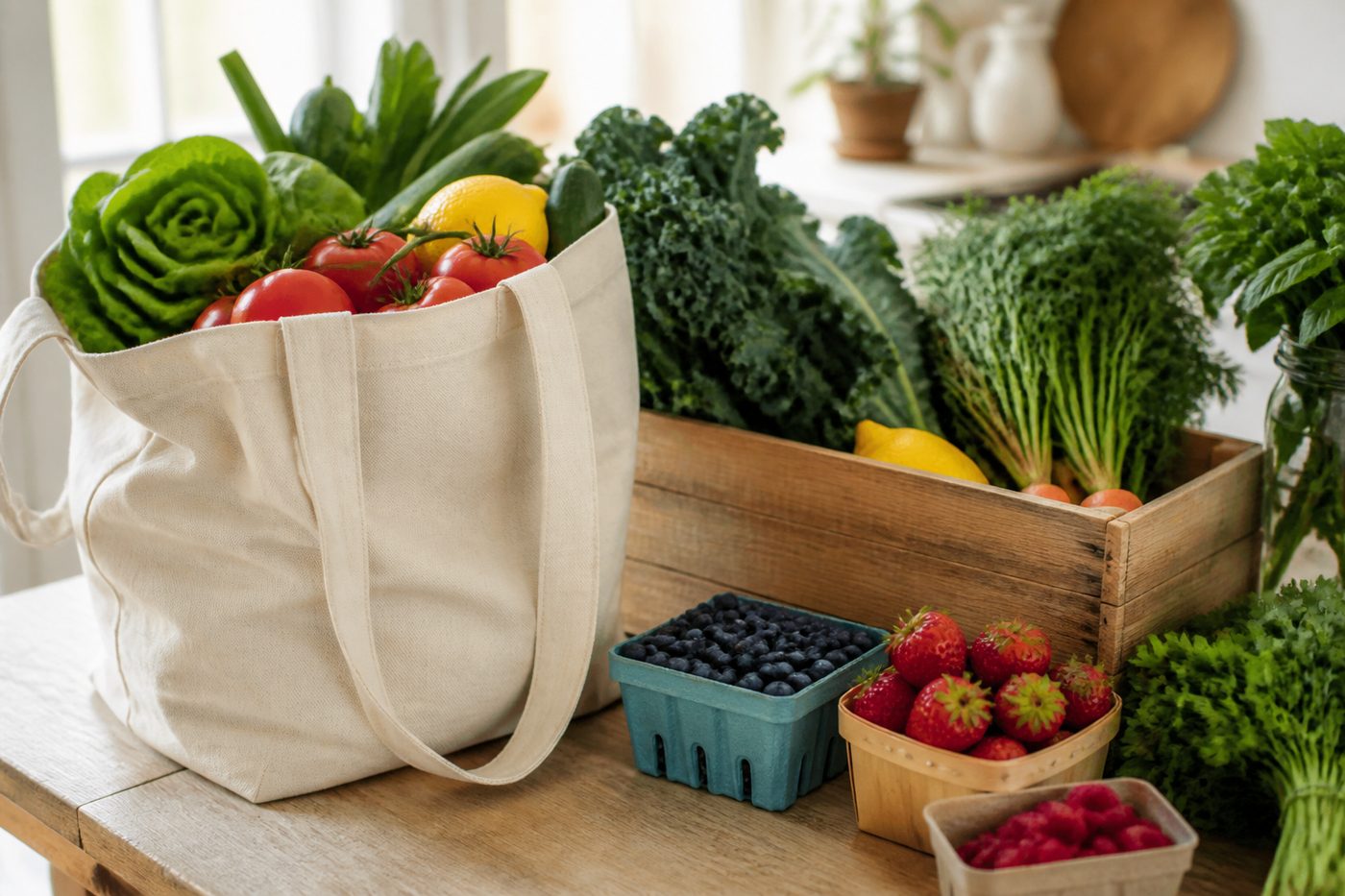
Grocery prices do not sit still, and a shopping list that used to fit comfortably inside a weekly budget can quietly stop fitting without any single trip feeling dramatically different. Budget meal planning is less about finding one clever trick and more about seeing the numbers clearly enough to make small decisions before you're standing in the checkout queue.
Start with a number, not a feeling
"I think we're spending too much on groceries" is hard to act on. A specific weekly figure, set deliberately rather than inherited from whatever last month happened to cost, gives every other decision something to measure against. Kyura's budget feature starts here: you set a weekly grocery amount that fits your household, rather than accepting a generic default that has nothing to do with how many people you're feeding.
Prices only mean something if they're your prices
A generic recipe cost estimate, based on national averages or a different country's supermarket data, tells you very little about what a dish costs at your local shop. Kyura uses the prices and pack sizes you enter yourself, for the ingredients you actually buy, so a recipe's cost-per-serve estimate reflects your shopping rather than an abstract average. It takes a bit of upfront effort to build that price list, and it stays more useful than a number pulled from somewhere else.
Cost per serve changes how a recipe looks
Recipes that look cheap on the ingredient list can hide one or two expensive items, like a small amount of saffron or a specific cut of meat, that push the real cost per serve higher than it looks. Seeing a cost-per-serve figure next to a recipe, even an estimate with a gap flagged for a missing price, makes it easier to notice when a "budget" recipe isn't actually one.
Where the list and the budget meet
A weekly meal plan produces a shopping list, and that list is where a budget either holds or doesn't. Kyura's shopping list shows an estimated total built from the recipes in your plan, so you can see whether the week is tracking under or over budget before you've bought anything.
Recipes with incomplete price data
Not every ingredient will have a price attached straight away, especially early on. Kyura shows when a recipe's cost estimate is partial rather than quietly rounding a gap to zero or hiding it. Filling in the missing prices as you notice them, rather than trying to complete the whole list in one sitting, is a realistic way to get the estimates closer to complete over a few weeks of normal use.
A weekly check-in, not a full audit
Building a complete, accurate price list in one sitting is unrealistic for most pantries, which can easily hold well over a hundred different ingredients across a few months of cooking. A more sustainable habit is a short check-in after each shop: update the two or three prices that changed noticeably, add any new ingredient that came up in a new recipe, and leave the rest alone. A budget tool is only as useful as the willingness to keep feeding it small updates, and small updates are far easier to sustain than a rare, large one.
What this does not do
Kyura does not pull live prices from Coles, Woolworths, ALDI, or any other retailer. The estimates are built entirely from prices you enter, which means they are only as current as your last update. This is a deliberate choice for the first version of the product rather than an oversight: a personal price list tied to your actual shops is more honest than a number that looks precise but is quietly wrong.
Keeping the budget honest over time
Prices drift, and a price list you set up once will slowly fall out of date unless you touch it again. Replacing an estimate with the price actually paid when you complete a shop, even just for a few items each week, keeps the numbers closer to reality without requiring a full price-list audit every month. Over several weeks, that history becomes a genuinely useful record of what your household spends, built from your own receipts rather than someone else's average basket.
A budget is a constraint, not a punishment
None of this is about eating less or cutting corners on food that matters to you. Setting a number and watching a shopping list against it is simply a way of noticing a problem while it's still small, a gap of a few dollars rather than a much larger one, and deciding what to adjust before the number becomes a surprise at the register. The weekly grocery budget guide walks through setting a starting figure and adjusting it as real prices come in.