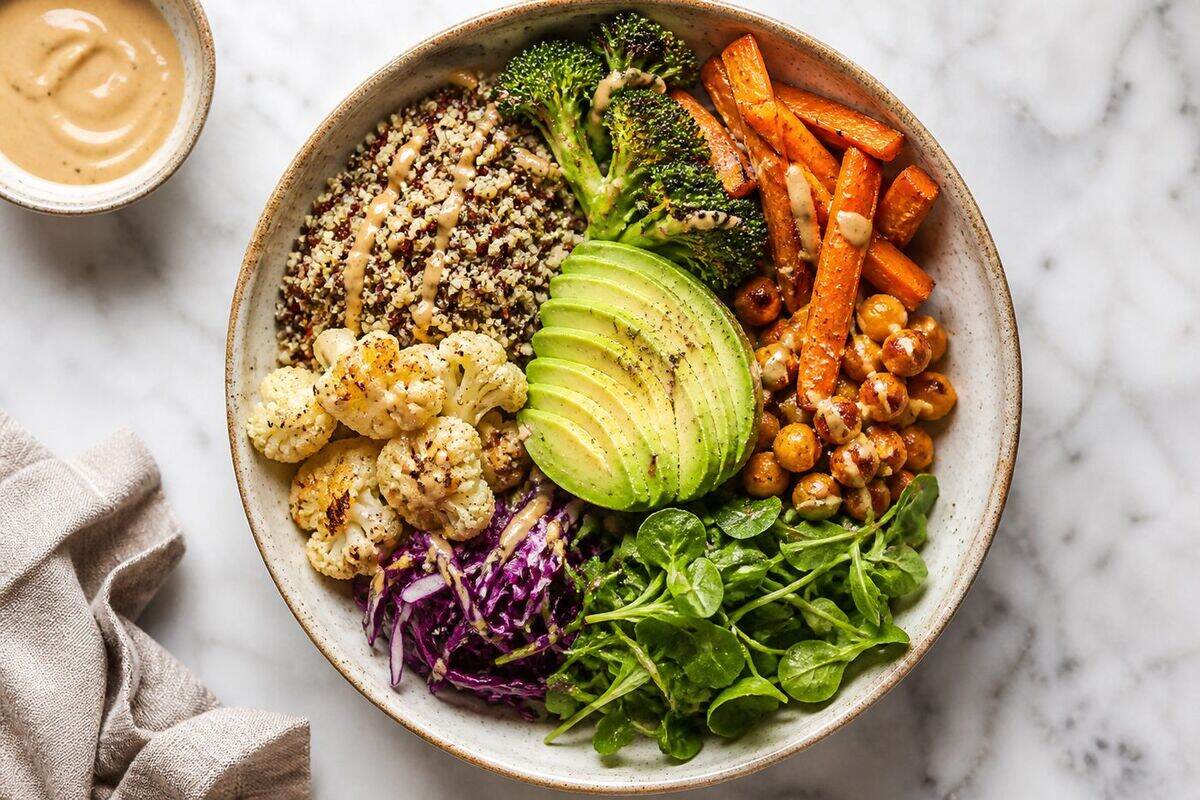
A high-protein goal often triggers a search for an entirely new set of recipes, as if the meals already in your library couldn't possibly qualify. In practice, a decent share of what you already cook is closer to a high-protein meal than it looks, and the more useful move is often adjusting what's already saved rather than starting a new collection from scratch.
Protein tags depend on ingredient data being there
Kyura can tag recipes as high protein and show an approximate nutrition summary where ingredient data is available, but that estimate is only as good as the ingredient list behind it. A recipe saved from a screenshot with vague quantities, "some chicken, a splash of soy sauce", produces a rougher estimate than one with specific weights and cuts. If you care about protein numbers specifically, it's worth spending a little extra time tightening up ingredient quantities on the recipes you plan to lean on.
Look at your library through a different filter
Rather than assuming you need new recipes, filtering your existing saved recipes by the high-protein tag, or sorting by estimated protein where that data exists, often turns up more options than expected: a bean chilli, a lentil curry, a simple grilled chicken and vegetables, a tuna salad you'd stopped thinking of as anything other than "lunch". Recipes don't stop being high in protein just because you didn't save them with that goal in mind. The recipe organisation feature covers tagging and filtering in more detail.
Small edits, not a new cookbook
Many recipes get closer to a high-protein target with a small, deliberate change rather than a replacement: adding a tin of beans to a pasta sauce, swapping a portion of rice for a larger portion of lean meat or tofu, or increasing the amount of a protein ingredient relative to everything else. Editing a saved recipe's ingredient list to reflect a change like this, and re-saving it as its own version if it's different enough to cook again, keeps your library honest about what you actually make.
Letting the generator prioritise protein
If nutritional priorities are set when using Generate my week, the tool can weight recipes with higher estimated protein more favourably when building a draft week, but it is still only choosing from recipes already in your library. It cannot invent a high-protein dinner that doesn't exist in your saved recipes, which circles back to why a library with enough tagged, protein-relevant options matters more than the generator's logic itself.
What this can't tell you
None of this is a substitute for tracking macros properly if that's genuinely what you need, and it isn't a fitness or medical tool. The protein estimates are approximate, built from ingredient data you or an automatic reading provided, and they should be treated as a rough guide for meal planning rather than a number you'd report to a coach or a dietitian. Anyone with a specific medical or performance-related protein target should verify actual intake through proper tracking, not a recipe app's estimate.
Snacks and lunches count too
Most high-protein attention goes to dinner, but breakfast and lunch are where a lot of households quietly fall short. A saved recipe for eggs on toast, a yoghurt and nut bowl, or a simple lentil salad is just as eligible for a high-protein tag as a dinner recipe, and filtering the whole library rather than just the dinner section often turns up meals for the parts of the day that get the least planning attention. Building that habit across all meal types, not only dinner, is usually a bigger contributor to a genuinely higher-protein week than any single standout recipe.
Building the high-protein side of your library over time
When you do come across a genuinely useful high-protein recipe, whether from a fitness account, a cookbook, or a friend, capturing it the same way as any other recipe, then reviewing and tagging it properly, adds it to the same searchable library rather than a separate protein-tracking system. Over a few months, that turns a vague sense of "I should eat more protein" into an actual filtered list of meals you already know you'll cook.
Consistency matters more than any single meal
One high-protein dinner doesn't move much on its own; a week built from several tagged, reasonably accurate recipes does more. Treating this as a filtering and tagging habit, rather than a single recipe swap, is what makes the difference over time, and it starts with the recipes you're already cooking rather than a new plan built from someone else's list.